
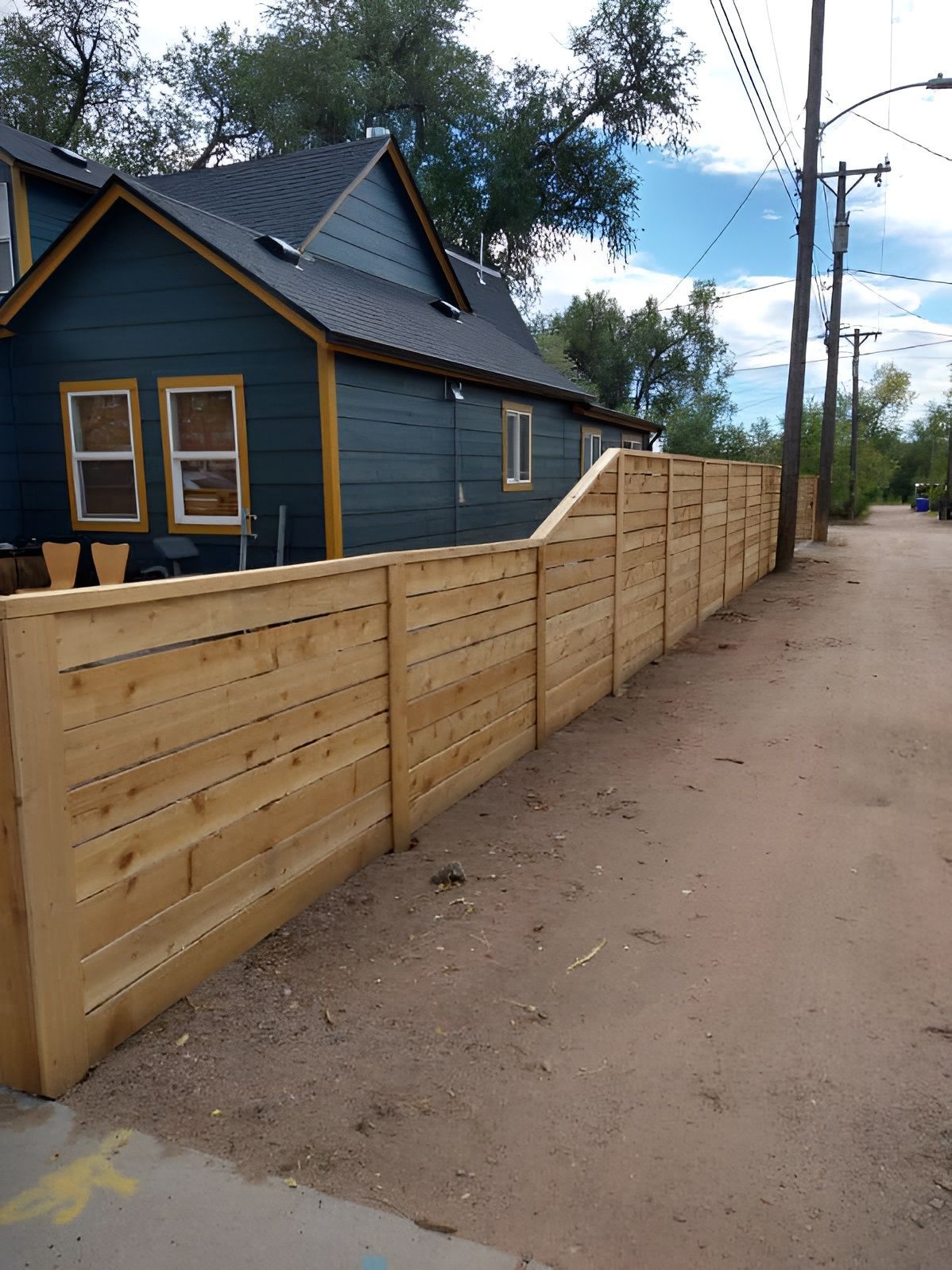
Fencing That Withstands Mountain Weather Cycles
Residential Fence Installation in Colorado Springs for properties requiring long-term durability and seasonal weather resistance
Southern Colorado's freeze-thaw cycles, intense UV exposure, and high winds place specific demands on residential fencing that don't exist in milder climates. Diamondback Fence Company installs wood privacy fencing, vinyl fencing, chain link fencing, ornamental fencing, and ranch fencing designed to handle these conditions without premature warping, cracking, or structural failure. Homeowners working with backyard enclosures, side yard sections, pet containment systems, or full perimeter installations receive material recommendations based on sun exposure patterns, soil movement characteristics, and maintenance capacity.
The installation process begins with evaluating your property layout, identifying utility lines, and determining post placement that accounts for ground frost depth and drainage flow. Posts are set to depths that prevent heaving during winter months, and materials are selected based on how they respond to Colorado's dry air and temperature swings. You work directly with installers who match fencing styles to your privacy needs, security concerns, and architectural preferences without requiring deposits on standard projects unless custom materials or specialty orders are part of the scope.
Schedule a property evaluation to review fencing options suited to your yard's specific sun exposure and soil conditions.
How Material Selection Affects Fence Longevity
Wood fencing in Colorado Springs requires treatment for UV resistance and moisture protection, since the region's dry climate can cause untreated wood to split along grain lines within two seasons. Vinyl fencing resists fading better than it did a decade ago, but lower-grade vinyl still becomes brittle during extended cold snaps if the formulation lacks proper impact modifiers. Chain link and ornamental fencing handle weather extremes well but require galvanized coatings thick enough to prevent rust where moisture collects along bottom rails.
After installation, you'll notice clean fence lines that follow property contours without gaps at ground level, gates that close without dragging or binding, and post stability that holds through wind events common to the region. Diamondback Fence Company uses hardware rated for outdoor exposure and sets each section to remain plumb as soil shifts with seasonal moisture changes. Panels interlock securely, and corner posts are braced to handle tension from long fence runs without leaning over time.
Installation includes post-hole depth adjustments based on your property's soil type, since clay-heavy areas require different anchoring approaches than sandy or rocky ground. The process accounts for drainage paths to prevent water pooling along fence lines, and gate placement considers daily traffic patterns to reduce wear on hinges and latches. You receive recommendations on stain schedules for wood fencing or maintenance intervals for other materials based on how much direct sun each section receives.
Common Questions About Residential Fence Installation
Homeowners often ask about material durability, project timelines, and maintenance requirements before committing to fence installation projects in Southern Colorado.
What fencing material handles Colorado Springs weather best for low maintenance needs?
Vinyl and ornamental metal fencing require the least maintenance in this climate, since neither needs staining or rust treatment when properly installed with UV-resistant coatings and galvanized finishes.
How deep are fence posts set to prevent frost heave during winter?
Posts are typically set 30 to 36 inches deep in Colorado Springs to reach below the frost line, with concrete footings that extend wider at the base to resist upward movement during freeze-thaw cycles.
When should homeowners schedule fence installation to avoid weather delays?
Late spring through early fall offers the most consistent ground conditions for post setting, since frozen soil and heavy snowfall can delay excavation and concrete curing during winter months.
What preparation work do property owners need to complete before installation starts?
You should mark any known utility lines, remove debris or vegetation along the planned fence line, and confirm property boundaries to avoid encroachment disputes after installation is complete.
How long does a typical backyard fence installation take from start to finish?
Most residential projects are completed within two to four days depending on fence length, terrain complexity, and whether gate systems are included in the installation scope.
Diamondback Fence Company prioritizes workmanship that holds up to the specific demands of Southern Colorado's climate and terrain. Request a custom estimate to review fencing options tailored to your property's layout and exposure conditions.